

Lancaster Gate same day rubbish service avoid delays
Posted on 10/08/2026
Lancaster Gate same day rubbish service avoid delays: how to book fast, stay organised, and get waste removed without hassle
If you need a Lancaster Gate same day rubbish service avoid delays situation to go smoothly, the trick is rarely speed alone. It is preparation, clear communication, and choosing the right type of collection for the job. In a busy part of west London, even a short delay can mean blocked access, missed loading windows, or waste sitting around longer than it should. Nobody wants that. Not when the flat is half-cleared, the hallway is tight, and the lift is already being used by three other people.
This guide breaks down how same day rubbish removal works, why delays happen, and what you can do to keep things moving. It also covers practical booking steps, common mistakes, compliance points, and a realistic example so you know what to expect before anyone turns up at the kerb with a van and a clipboard.
Along the way, you will also find useful links to supporting pages such as the services overview, pricing and quotes, and recycling and sustainability if you want to understand the wider service approach.
Truth be told, same day rubbish removal sounds simple until you need it urgently. Then every small detail suddenly matters.
Expert summary: If you want to avoid delays, the winning formula is simple: describe the waste clearly, confirm access details early, keep the collection point ready, and choose a provider that can respond flexibly when London traffic or building access gets in the way.
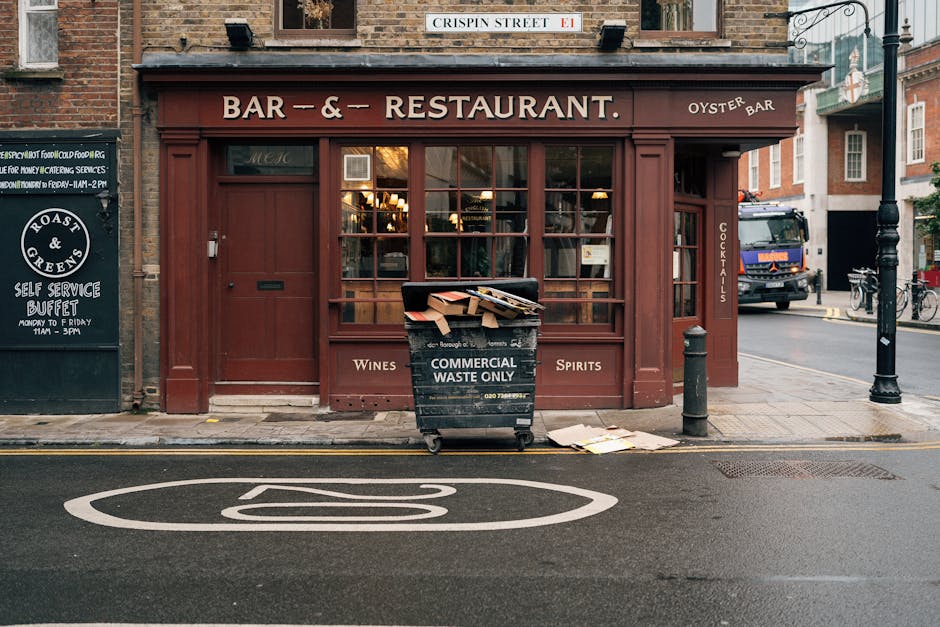
Why Lancaster Gate same day rubbish service avoid delays Matters
Same day rubbish removal is not just about convenience. In Lancaster Gate, it can be the difference between a tidy finish and a messy hold-up that spreads into the rest of your day. If you are clearing a flat, emptying office space, or dealing with bulky items after a refurbishment, waste left in place quickly becomes a practical problem. It can block corridors, irritate neighbours, and make the property harder to use safely.
There is also a timing issue that people underestimate. A same day request often happens when something has already gone slightly wrong: builders are waiting to continue, a landlord needs a room turned over, or a family needs the property ready for viewing. In those moments, delays are expensive in a quiet way. Not always in money, but in stress, lost time, and a lot of awkward standing around.
London adds its own complications. Parking, narrow streets, controlled access, lift rules, and loading restrictions can all slow things down if they are not handled in advance. Lancaster Gate itself has that central-London rhythm: busy roads, residential buildings, and a constant shuffle of people coming and going. That means planning matters more than most people expect.
For a helpful overview of how different clearing jobs fit together, the waste clearance service page is a good place to understand the broader approach before you book.
What delays usually look like in practice
- Drivers arriving but not being able to park near the property
- Waste not being sorted enough for quick loading
- Access codes, keys, or concierge approval not being ready
- Unexpected items such as plasterboard, white goods, or mattresses requiring extra handling
- Customer expectations not matching the size of the waste load
If you have ever watched two people carry a wardrobe down a stairwell while someone else tries to hold a door open, you already know how quickly a "simple" job can become a small circus. Best to avoid that if possible.
How Lancaster Gate same day rubbish service avoid delays Works
A same day rubbish service usually follows a straightforward process, but the details make the difference. You contact the provider, describe what needs removing, share access information, and agree a collection window. A team is then dispatched if capacity allows. Once on site, they assess the load, confirm the price if needed, remove the waste, and make sure it is handled in line with the relevant waste transfer and disposal practices.
That sounds easy enough. It can be, provided the booking is accurate. The fastest same day jobs are usually the ones where the customer has already thought through the practical bits: what type of waste it is, where it is stored, how much there is, and whether anyone else needs to give permission for entry or loading.
In many cases, the service can also handle mixed waste, which is useful if you are clearing a room or a whole property. A good example is a late-day office tidy-up where old monitors, cardboard, broken chairs, and general rubbish all need to disappear at once. That is exactly where a flexible provider helps.
If your job involves a larger property clear-out, you may also want to look at house clearance, office clearance, or furniture disposal depending on what is actually being removed.
A simple same day flow
- Send a clear description of the waste.
- Share access details and timing constraints.
- Get a collection window and price guidance.
- Prepare the waste in one place if possible.
- Let the team collect, load, and complete the job.
That is the ideal version. Real life sometimes bends it a little. A van may need to wait an extra few minutes for a lift, or a neighbour might be parked badly outside. The aim is not perfection. The aim is to remove friction wherever you can.
Key Benefits and Practical Advantages
The obvious benefit is speed, but there are several other advantages that matter just as much. Same day clearance can reduce stress, keep a project moving, and free up valuable space before a deadline bites. If you are preparing for a sale, a handover, or a family event, that space is not just physical. It is mental too.
Another practical benefit is control. When waste is removed quickly, you avoid the situation where bags pile up in the hallway or bulky items sit awkwardly in a room for another three days. That can affect safety, cleanliness, and even the mood of the whole property. Let's face it, no one feels especially organised while stepping around an old sofa for half a week.
Benefits worth noting
- Less disruption: The job is handled in a single visit when possible.
- Faster turnaround: Useful for rentals, renovations, and urgent clean-ups.
- Improved safety: Reduces trip hazards and fire risk from waste build-up.
- Better planning: Helps trades, landlords, and property owners keep schedules on track.
- Cleaner presentation: Ideal before viewings, inspections, or events.
For projects involving heavier or messier waste, it may also help to understand the difference between general rubbish and more specific service types. For example, builders' debris often needs a different approach to garden cuttings or old household furniture. If that sounds like your job, the builders' waste disposal page can help you see how a more specialised service is typically structured.
Who This Is For and When It Makes Sense
Same day rubbish removal makes sense when time matters more than almost anything else. That includes householders, landlords, agents, tenants, business owners, builders, and anyone in the middle of a last-minute reset. It is especially useful when waste is stopping something else from happening.
Here are some typical situations:
- You need a flat cleared before an evening inventory visit.
- Builders have finished early and the site needs to be tidied before the next stage.
- An office needs old desks removed before new furniture arrives.
- A loft or storage room has become unusable and needs opening up quickly.
- Garden waste has built up after a weekend job and you do not want it sitting around.
That last one can be a surprisingly common one. Wet clippings, branches, and bags of cuttings can start smelling a bit earthy and unpleasant if they stay outside too long, especially after a damp London spell. Not dramatic, just annoying.
If your waste is mainly outdoor material, the garden waste removal service is often a better fit. For storage-heavy jobs, loft clearance may be more relevant.
And if you are comparing service types before making a decision, the services overview page gives a useful wider picture without forcing you into one approach too early.
Step-by-Step Guidance
If you want to avoid delays, a structured approach is the best thing you can do. A few minutes of preparation can save a lot of back-and-forth later on.
1. Identify the waste clearly
Be honest and specific. "A bit of rubbish" is not enough detail if the job involves broken furniture, bags of mixed household waste, or a couple of heavy appliances. Mention anything awkward up front: glass, sharp edges, wet waste, plasterboard, garden debris, or large items that need two people to move.
2. Estimate the volume sensibly
Size matters because loading time and vehicle space matter. A single armchair is not the same as a room full of flat-pack packaging, and a van load is not the same as a few bin bags. If you are unsure, describe the items in plain language rather than guessing volume in a way that may mislead everyone.
3. Check access details
This is where many delays start. Tell the provider about stairs, lifts, permits, loading bays, concierge rules, keypad entry, and whether parking is easy or difficult. In Lancaster Gate, a clear access note is worth its weight in gold. Well, maybe not gold. But close.
4. Prepare the waste in one place
If you can gather items near the entrance or in one accessible room, do it. The team will still move things, of course, but a neat pile reduces time spent hunting around the property. It also makes the final quote easier to keep accurate.
5. Confirm timing expectations
Same day does not always mean instant. It usually means the provider will try to fit you into a workable slot. Ask what the likely window is and whether the team will call before arriving. That tiny detail can save a lot of pacing by the window.
6. Review payment and security details
It is sensible to understand the payment process before anyone turns up. A clear provider should explain how payment works and what to expect, which is why the payment and security page is worth a look if you like to keep things tidy.
7. Keep one person available
Even if the job is straightforward, someone should be reachable for final questions. A five-minute delay because the team cannot confirm access can become a half-hour delay if nobody answers the phone. It happens more than people realise.
Expert Tips for Better Results
After enough waste collections, the pattern becomes pretty clear: the smooth jobs are rarely lucky. They are prepared. That sounds a little dull, maybe, but it is true.
- Take a quick photo set before the team arrives. Images help reduce misunderstandings about quantity and type.
- Group similar items together. It speeds up loading and sorting.
- Tell the provider about fragile access. Thin hallways, communal carpets, and shared entrances all deserve mention.
- Be specific about what stays. Some delays happen because the team pauses to check whether a bag or item should be taken.
- Keep children and pets out of the way. That one sounds obvious, but in a busy flat it is easily forgotten.
A small but useful point: if your waste includes items that can be reused, recycled, or separated, mention that early. It may not change the pace dramatically, but it can influence how the load is organised. The recycling and sustainability page is helpful if you care about how materials are handled after collection.
One more thing. If you are dealing with a same day deadline because of an end-of-tenancy or property sale, keep your paperwork and keys in one place. You would be surprised how often the actual delay is not the waste, but the missing key. Human nature, really.

Common Mistakes to Avoid
A lot of delays are avoidable. Not all of them, but many. And most come down to under-sharing information.
Leaving access details until the last minute
If the collection point is behind a locked gate or a strict building reception, say so early. A delay at the door can ripple through the whole schedule.
Underestimating the amount of waste
People often picture a few bags and forget the bulky items at the side. That mismatch can create a frustrating pause when the team arrives and the load is bigger than expected.
Mixing hazardous or restricted items with general rubbish
Some items need special handling. Never assume that every object can be collected in the same way. If something looks questionable, flag it in advance.
Not preparing the waste
Loose rubbish spread across several rooms slows everything down. So does trying to sort things at the front door while the team waits in the hallway.
Expecting a same day slot without flexibility
Same day services work best when the customer is available and responsive. If your timetable is rigid to the minute, you may be setting yourself up for irritation. A little flexibility goes a long way.
Tools, Resources and Recommendations
You do not need fancy tools for a fast rubbish collection, but a few simple items help more than you might think.
- Sticky notes or labels: Mark what goes and what stays if there is any uncertainty.
- A phone camera: Quick photos help with estimating and confirming the job.
- Gloves and sturdy bags: Useful when you are tidying up loose waste before collection.
- Measuring tape: Handy for awkward furniture, tight lifts, or stairwell turns.
- A clear parking note: Especially helpful for central-London access where loading can be tricky.
If you are comparing service levels, it also helps to understand how providers talk about their approach. The about us page can tell you more about the company's tone and values, while insurance and safety gives a sense of how care and risk are handled.
For cost-focused readers, the Bayswater rubbish removal prices explained article is a sensible companion piece. It helps put pricing into context without making unrealistic promises.
Law, Compliance, Standards, or Best Practice
Waste removal in the UK is not something to treat casually. Even a same day booking still needs to be handled properly. In plain English, that means the waste should be transferred, transported, and disposed of by a provider that follows the right duty-of-care approach and operates responsibly.
You do not need to become a waste-law expert to book a collection. But you should expect clarity. A professional service should be able to explain what happens to the waste, how reusable or recyclable material is separated where appropriate, and what customer information is needed to complete the job safely and lawfully.
As a practical matter, best practice includes:
- describing the waste honestly
- not placing restricted items in a general load unless the provider has agreed to it
- keeping access safe and clear for loaders
- making sure payment and pricing terms are understood
- checking that the provider can handle the job type appropriately
If you want a more detailed sense of service expectations, terms and conditions and the privacy policy are useful for understanding how bookings and data are usually managed. Those pages matter more than people admit. Nobody reads them for fun, obviously, but they do help avoid misunderstandings.
For customers who prioritise ethical handling and general service standards, the company's modern slavery statement may also be relevant as part of a wider trust check.
Options, Methods, or Comparison Table
Not every urgent waste problem needs the same solution. Sometimes a full same day collection is the right answer. Sometimes a targeted specialist service is better. The comparison below may help you choose.
| Option | Best for | Speed | Main advantage | Possible drawback |
|---|---|---|---|---|
| Same day general rubbish collection | Mixed household or light commercial waste | Very fast | Convenient and flexible | May need clear access and accurate description |
| Furniture disposal | Bulky items, sofas, tables, wardrobes | Fast | Efficient for awkward items | Heavy items can take longer if access is tight |
| House clearance | Full or partial property empties | Fast to moderate | Good for large volumes | Needs more planning and detail |
| Office clearance | Desks, chairs, filing, commercial strip-outs | Fast to moderate | Useful for business deadlines | Building rules may complicate access |
| Loft clearance | Storage areas, long-untouched items | Moderate | Clears hidden clutter | Access is often awkward |
In practice, the best option is the one that matches the waste, not just the clock. If you try to force the wrong service type, that is when delays begin. A small mismatch becomes a bigger one. Pretty quickly, too.
Case Study or Real-World Example
Here is a realistic example from the kind of job that comes up often. A landlord in Lancaster Gate needs a one-bedroom flat cleared after a tenant moves out earlier than expected. The inventory clerk is due late afternoon, and the property still contains a broken bed frame, two chairs, several bags of mixed rubbish, and cardboard from a recent appliance delivery.
Instead of waiting until the last minute, the landlord sends a clear description first thing in the morning, including photos, building access notes, and a heads-up that parking is tight. The waste is moved into one room near the entrance, and the concierge is informed before the team arrives. That is the key part.
The result? The collection is straightforward. The team can assess the job quickly, load without wandering around the flat, and finish before the afternoon appointment. No drama, no unnecessary waiting, and no awkward conversation with the person holding the clipboard outside.
Now imagine the opposite. No access note. No photos. Waste spread across the flat. Nobody answers the call to confirm entry. The same job can easily lose half an hour or more. Not because the service is poor, but because the booking was not ready for same day reality.
That is the whole point of avoiding delays: making the first ten minutes easy so the rest of the job can stay easy too.
Practical Checklist
Use this before you book, or at least before the van is on the way.
- Describe the waste clearly and honestly
- Share photos if possible
- Confirm exact access details
- Check whether parking or loading space is available
- Gather waste into one easy-to-reach place
- Keep keys, codes, and contact details ready
- Separate anything that should stay behind
- Ask how pricing is confirmed
- Make sure someone can answer the phone
- Allow a little flexibility for traffic or building delays
Small checklist, big difference. Funny how that works.
Conclusion
Same day rubbish removal in Lancaster Gate works best when you treat it as a quick project rather than a quick favour. The speed comes from good preparation, clear access information, and choosing the right service for the waste in front of you. If you do those things well, delays usually shrink or disappear altogether.
The broader lesson is simple: urgent waste removal does not need to feel rushed or chaotic. With the right setup, it can feel surprisingly orderly, even if the flat is a bit of a mess at the start. And that relief, once the space is finally clear, is hard to beat.
Get a free quote today and see how much you can save.
For a deeper look at service options and what fits your situation, you can also review the rubbish collection page or revisit the services overview when you are ready. One good decision early on saves a lot of faff later.

 Tipper Van - Waste Clearance and Garden Rubbish Removal Prices in Bayswater, W2
 Luton Van - Waste Clearance and Garden Rubbish Removal Prices in Bayswater, W2

